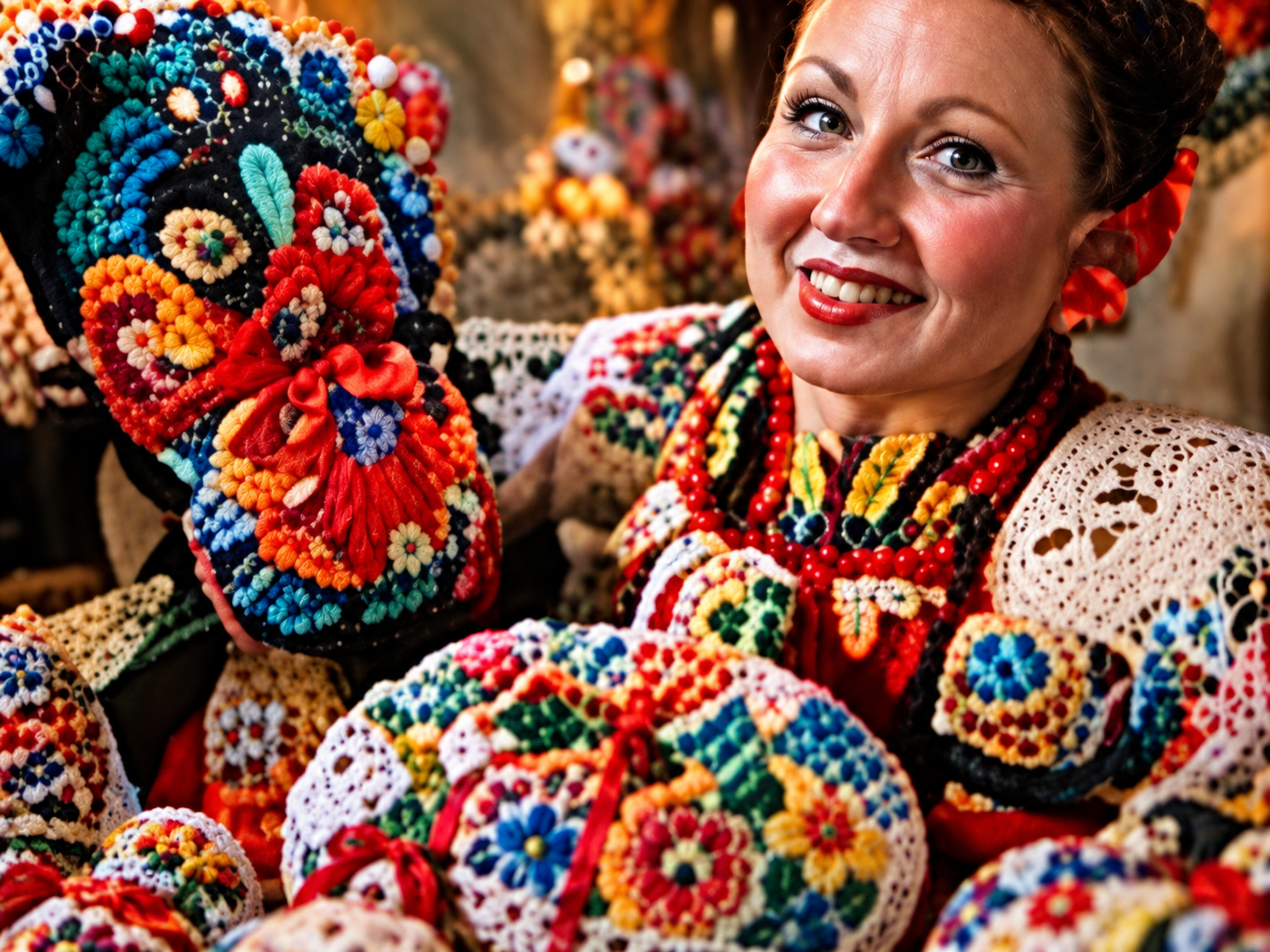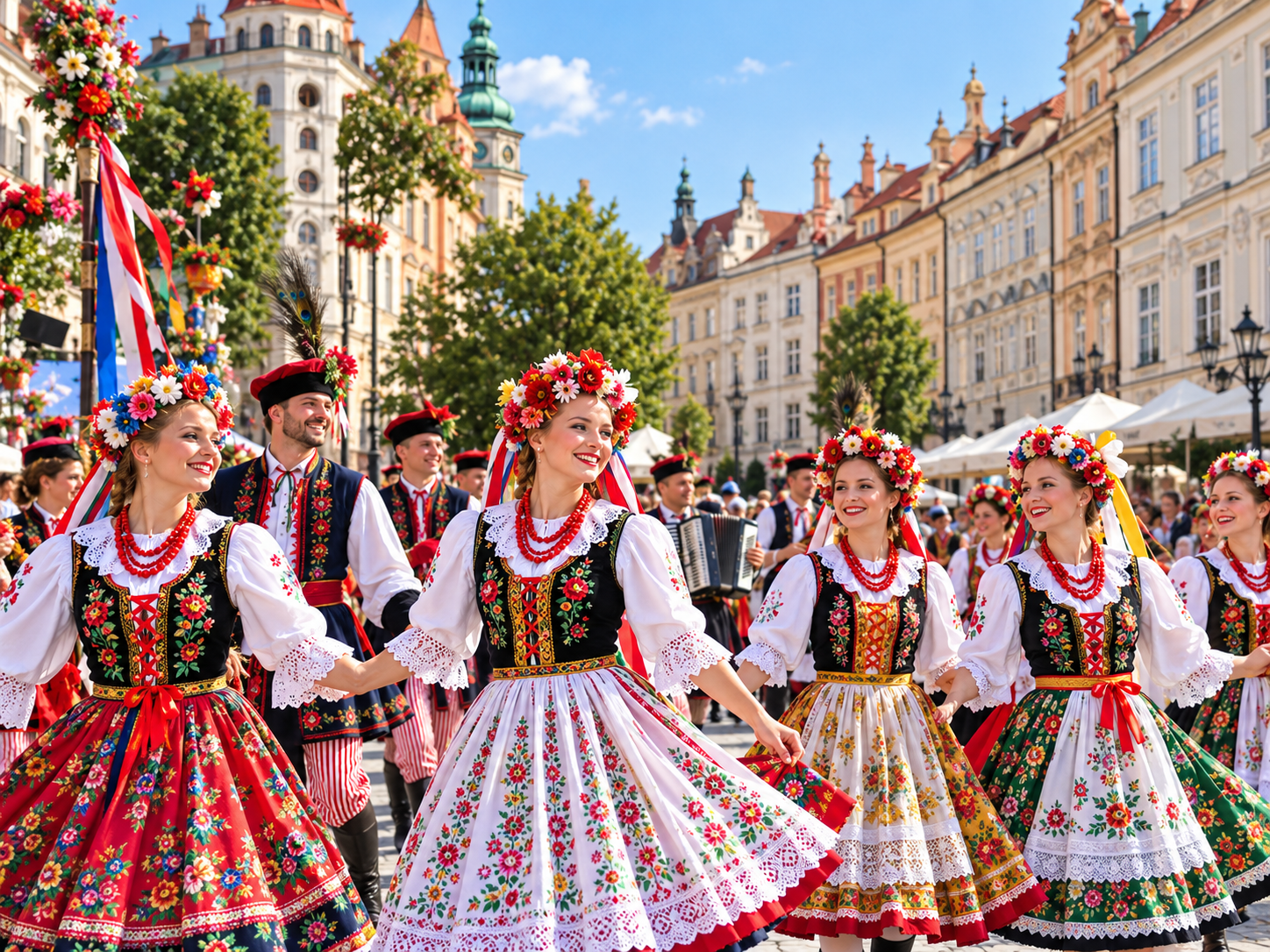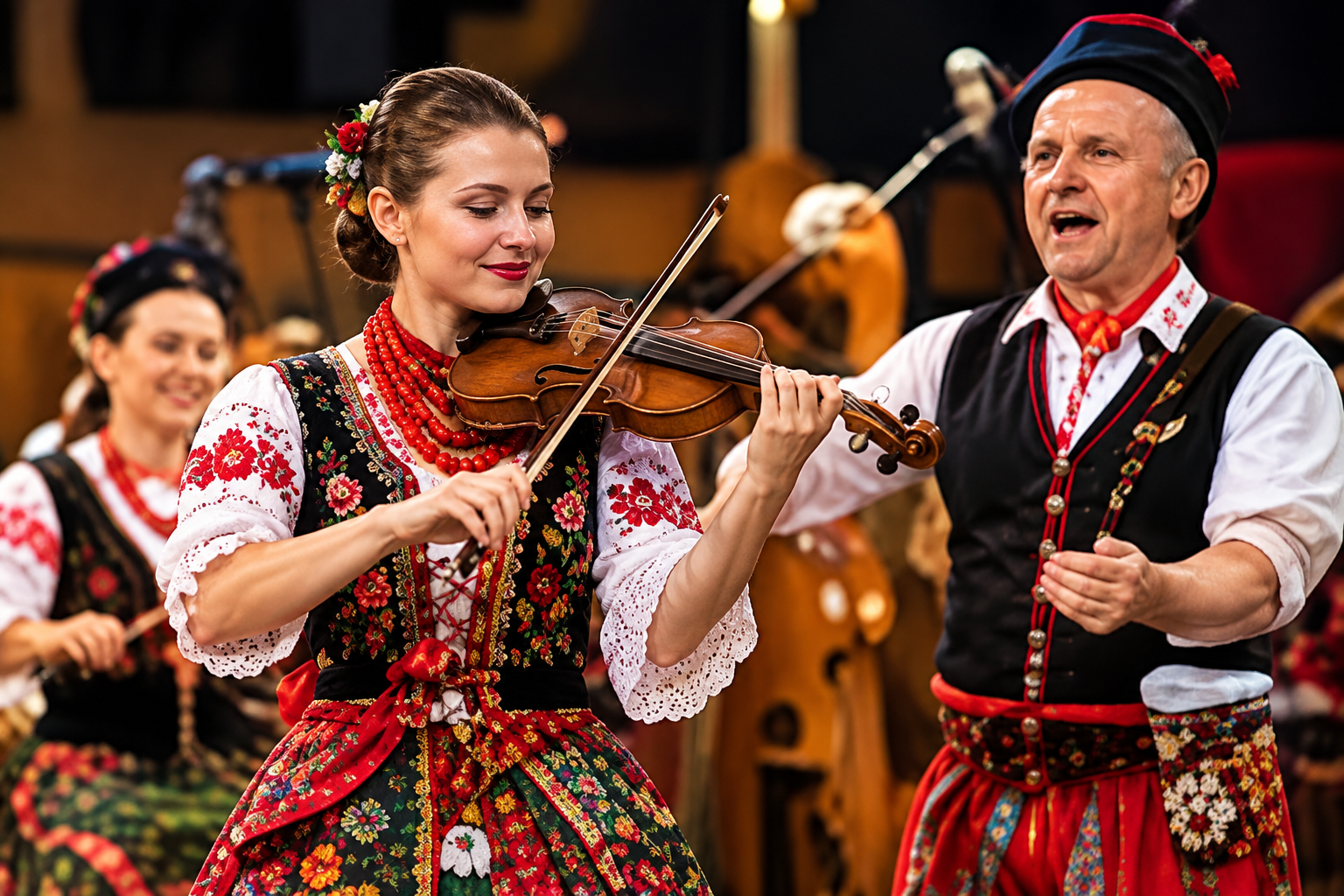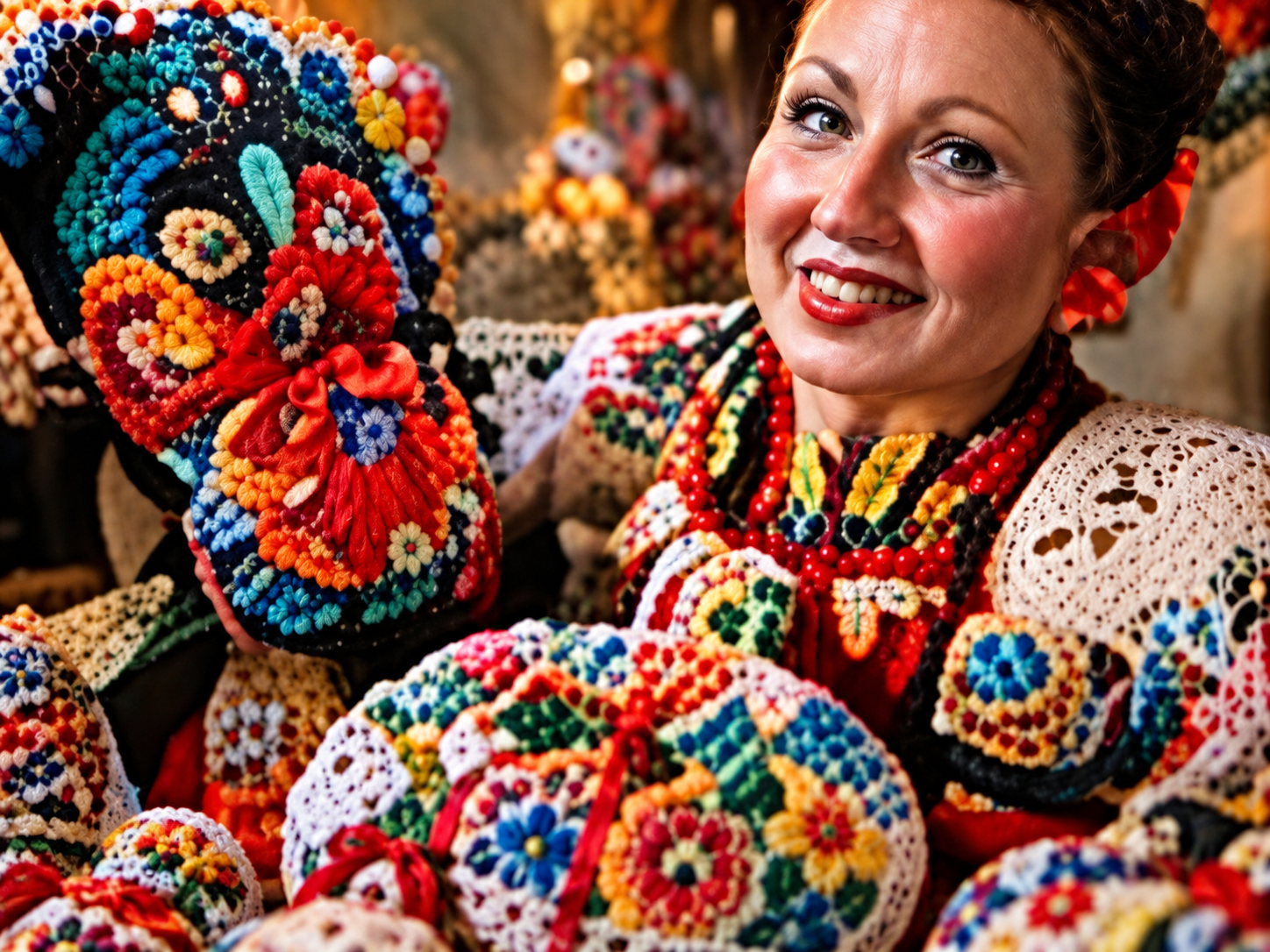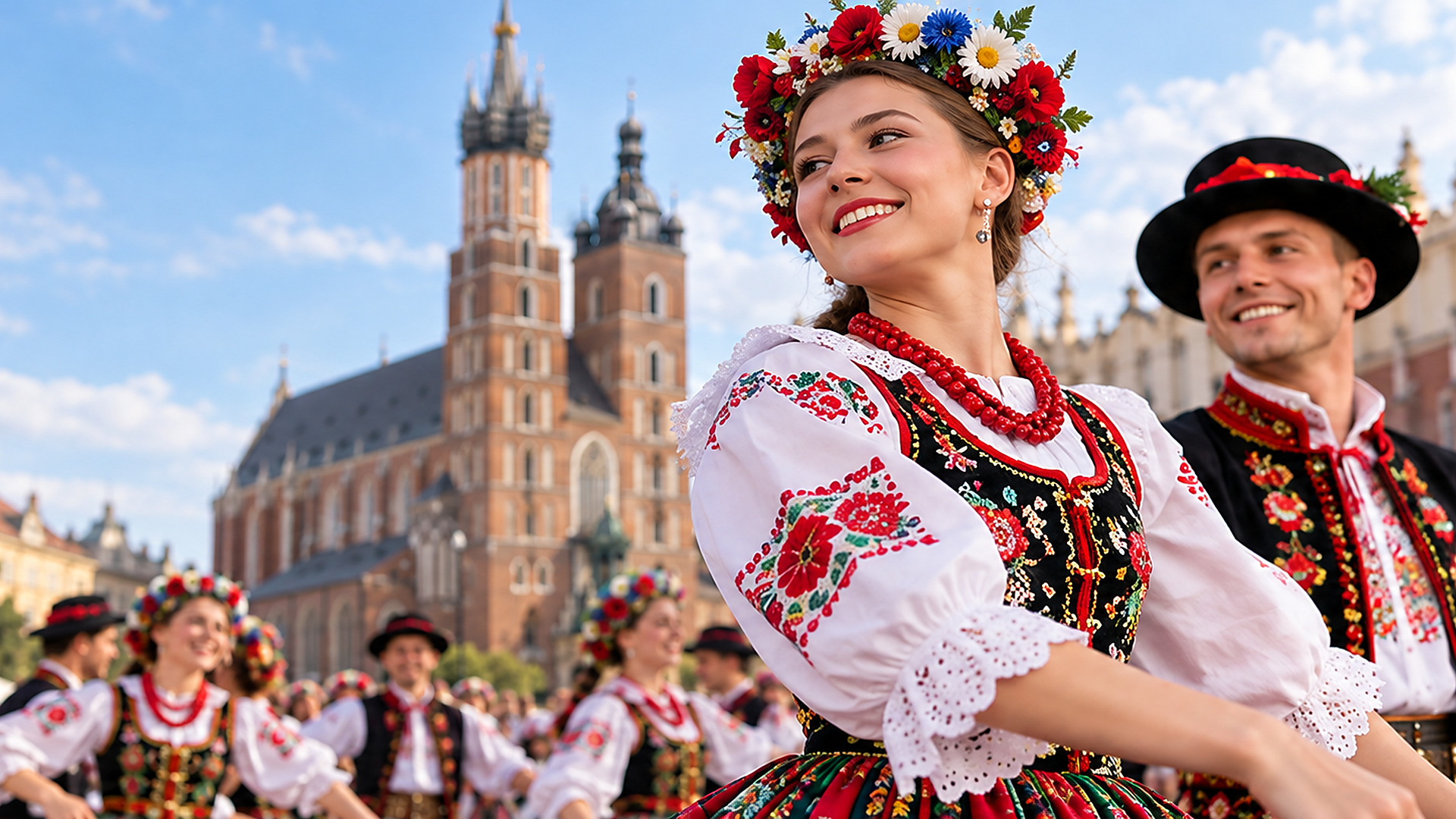
The International Folklore Festival Poland is designed as a major cultural meeting point in Warsaw—bringing together performers, communities, families and visitors through music, dance, costume, food, craft, storytelling and friendship.
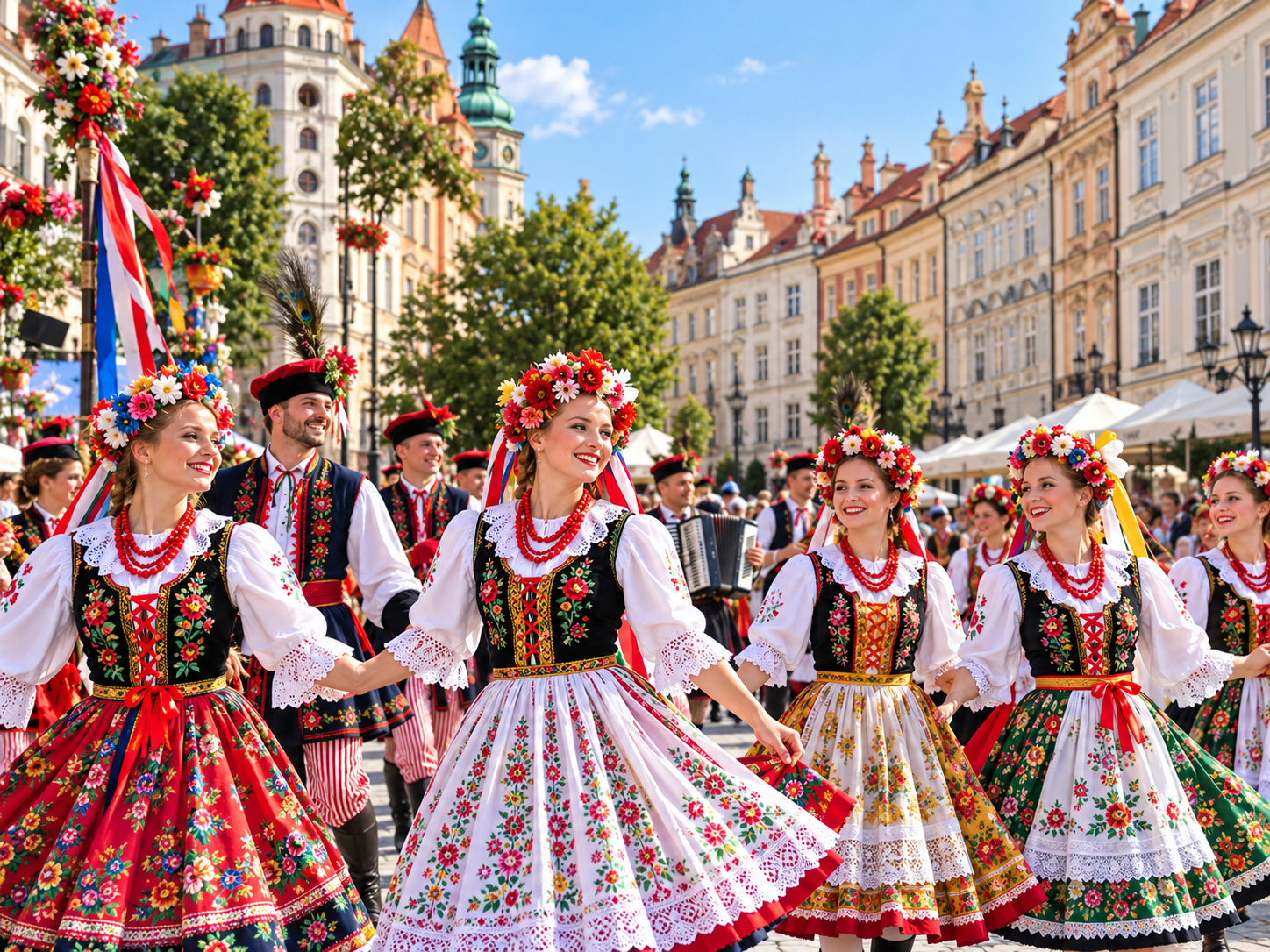
A Festival With an International Purpose
Folklore is living culture. It is carried in songs, movement, clothing, recipes, language, ceremonies, handmade objects and the stories communities pass from one generation to another. The festival creates a contemporary international platform where those traditions can be presented with dignity, context and pride.
Warsaw provides the setting for a festival that is proudly Polish and genuinely international. Audiences can experience Polish traditions alongside visiting cultures, discovering both differences and the human experiences that connect people across borders.
What Visitors Can Expect
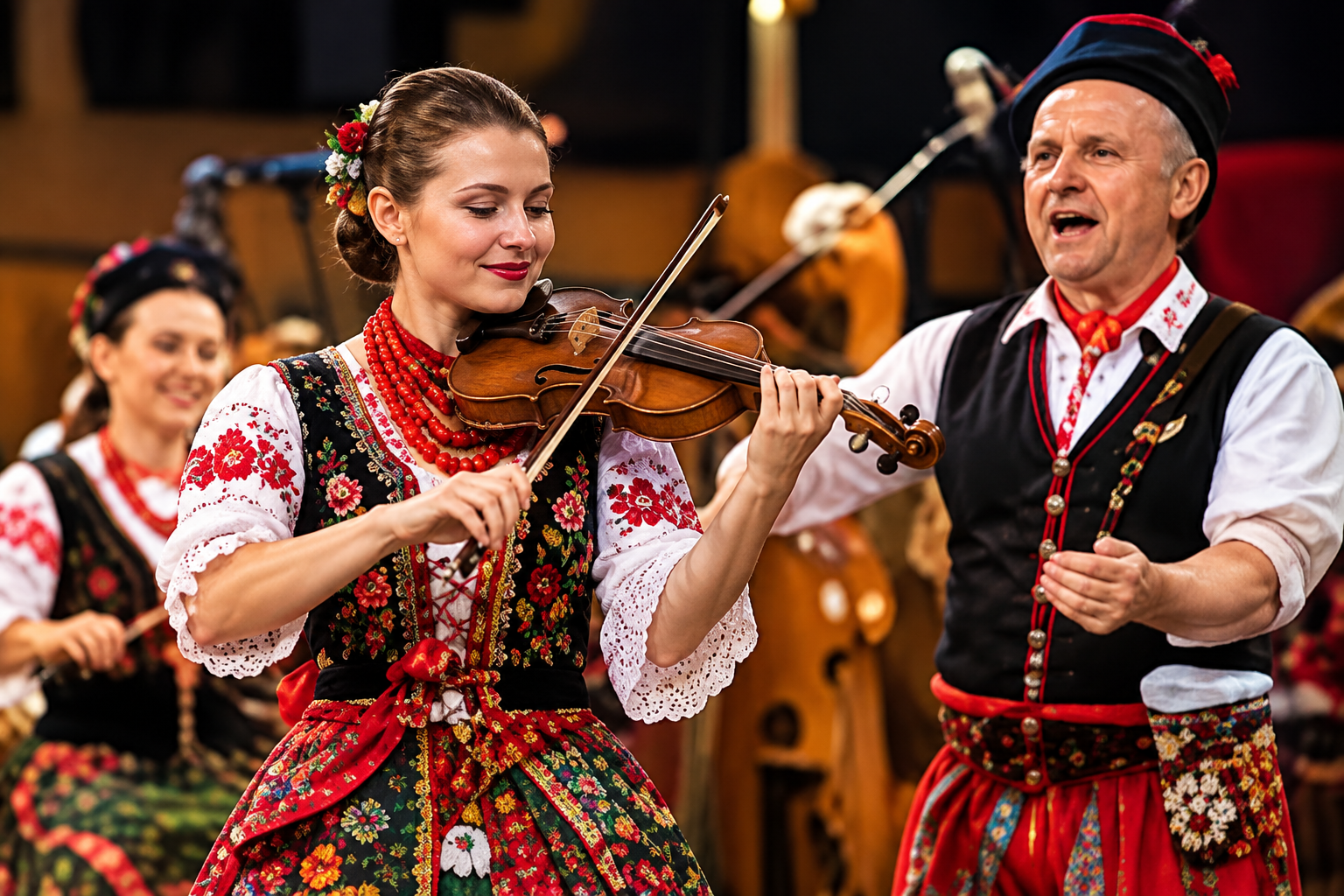
The programme is planned as a full cultural journey rather than a single concert. Visitors can move between live performances, public parades, cultural villages, craft demonstrations, food experiences, family activities, workshops, exhibitions and conversations with artists.
Daytime activity is designed to encourage participation and discovery, while evening events create larger moments of celebration through concerts, collaborative performances and gala showcases.
Why Warsaw
Warsaw combines a major European capital’s international accessibility with a strong Polish identity. Its historic areas, museums, cultural institutions, public spaces, restaurants and transport network give international visitors opportunities to experience the festival and discover the city at the same time.
The festival can connect venues and public spaces across Warsaw, creating a cultural route that encourages visitors to explore neighbourhoods, Polish hospitality and the wider city experience.
Culture, Education and Community
The festival aims to create value beyond entertainment. Workshops, artist encounters and educational content help younger audiences understand the meaning behind traditions, while community participation creates opportunities for volunteering, cultural learning and local collaboration.
For artists and cultural organisations, the festival provides visibility, exchange and the chance to build long-term international relationships.
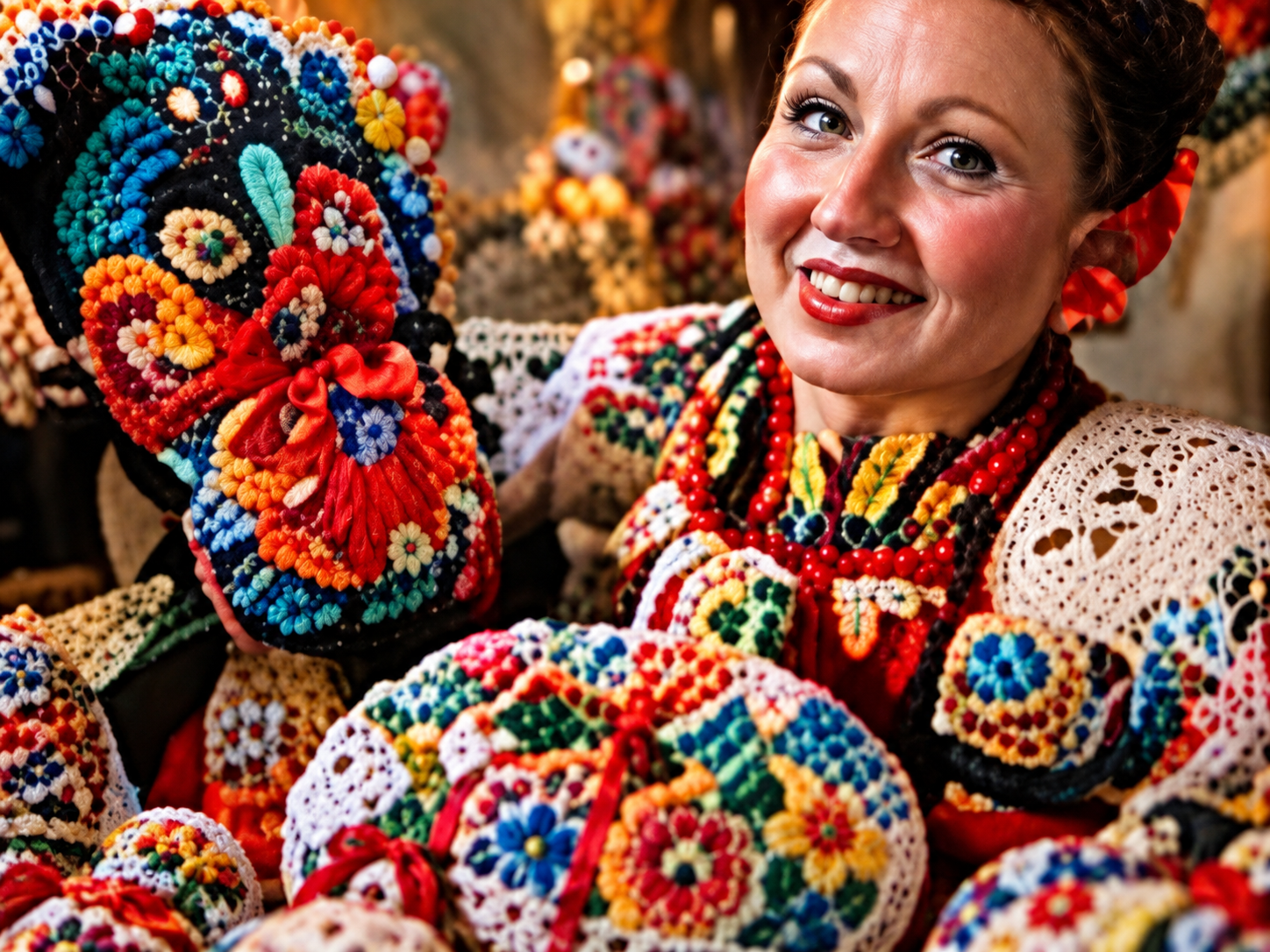
A Festival That Can Grow
The website and programme are structured to support future editions, new participating countries, additional venues, new partners and expanding audiences. Each edition can build on the previous one while preserving the festival’s central idea: people, cultures and friendship.
Discover the Festival
Explore the programme, performers, countries and visitor information to build your own festival journey.
An International Festival With a Polish Heart
At its core, the festival is a celebration of people. Every performance, workshop and public gathering is an invitation to understand how communities express identity through music, movement, design, language, food and shared memory.
Warsaw gives the festival an international capital-city setting while keeping the experience connected to Poland. Visitors can move from the festival programme into the city’s museums, neighbourhoods, parks, restaurants and cultural institutions, making the journey broader than the event itself.
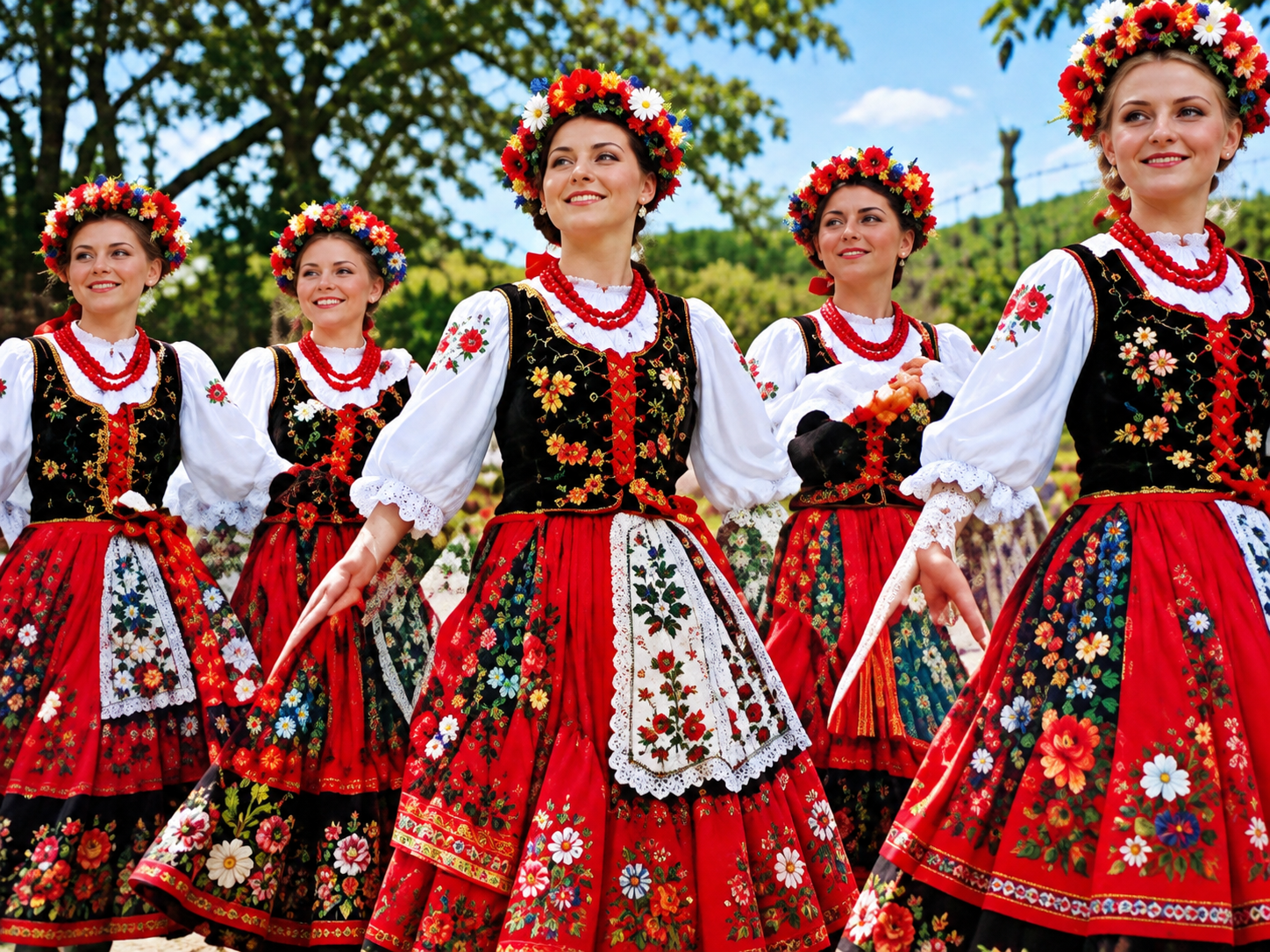
For Visitors, Artists and Communities
Visitors gain a programme that is entertaining but also educational. Artists gain a platform where their traditions are treated as living culture rather than decoration. Local organisations, volunteers and partners gain opportunities to build relationships with communities from Poland and abroad.
The festival is designed to be welcoming to first-time visitors, families, schools, cultural professionals and dedicated folklore audiences alike.
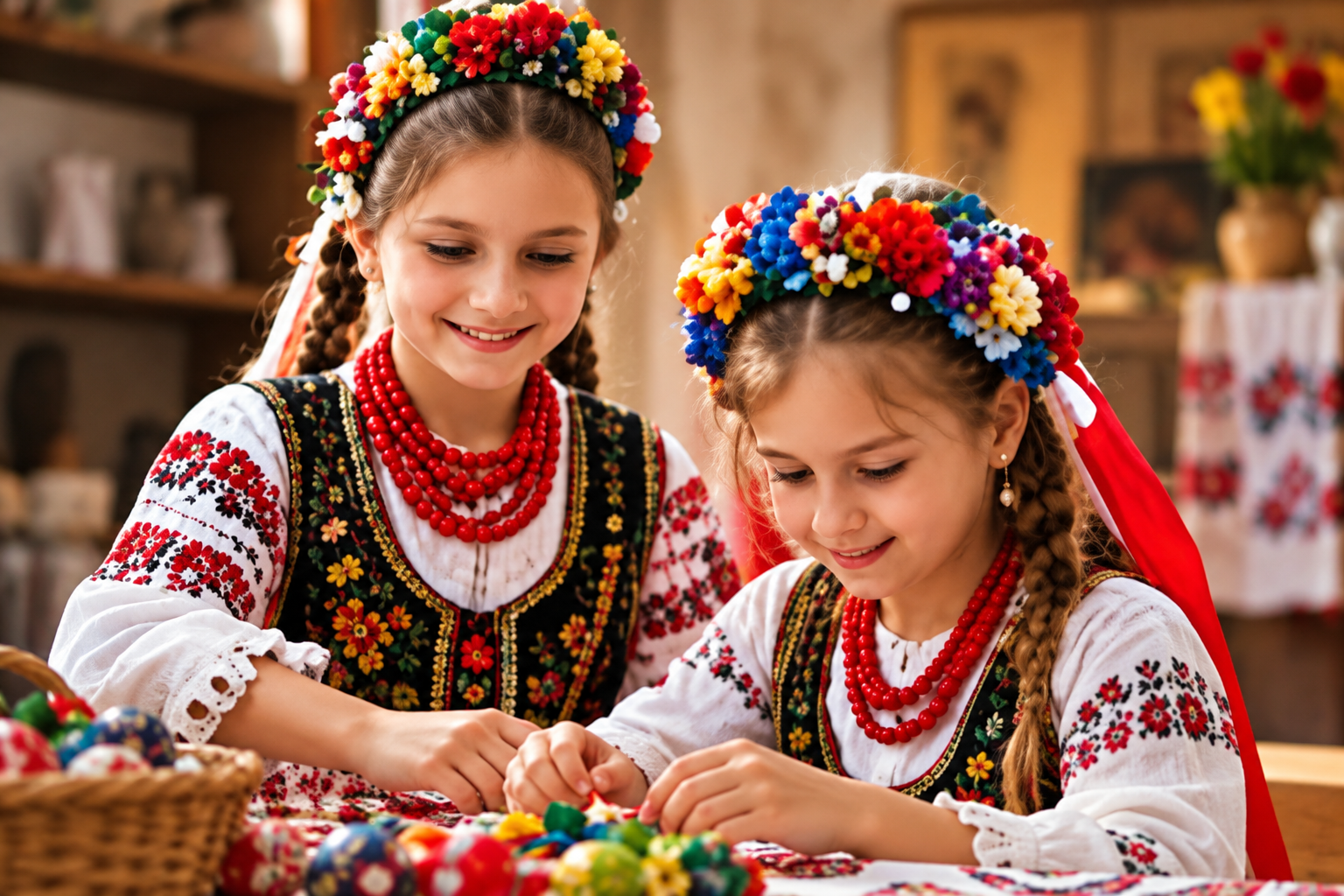
A Responsible Approach to Culture
The festival aims to present traditions with context and respect. Programme notes, artist profiles, workshops and conversations help audiences understand where a tradition comes from, what it means to the people who practise it and how it continues to evolve.
That approach allows the festival to celebrate spectacle without losing depth, and to create an atmosphere in which cultural exchange feels meaningful rather than superficial.