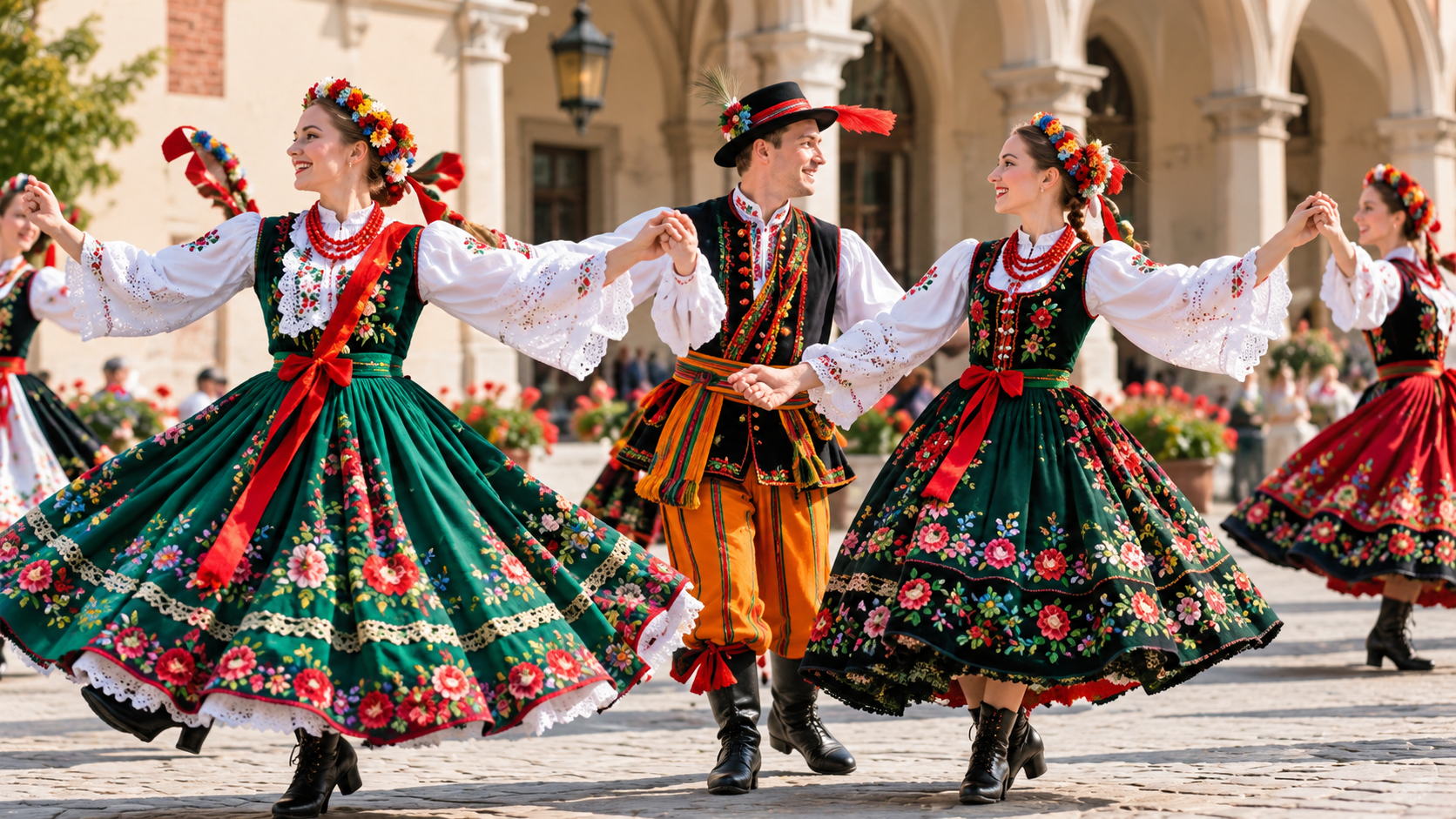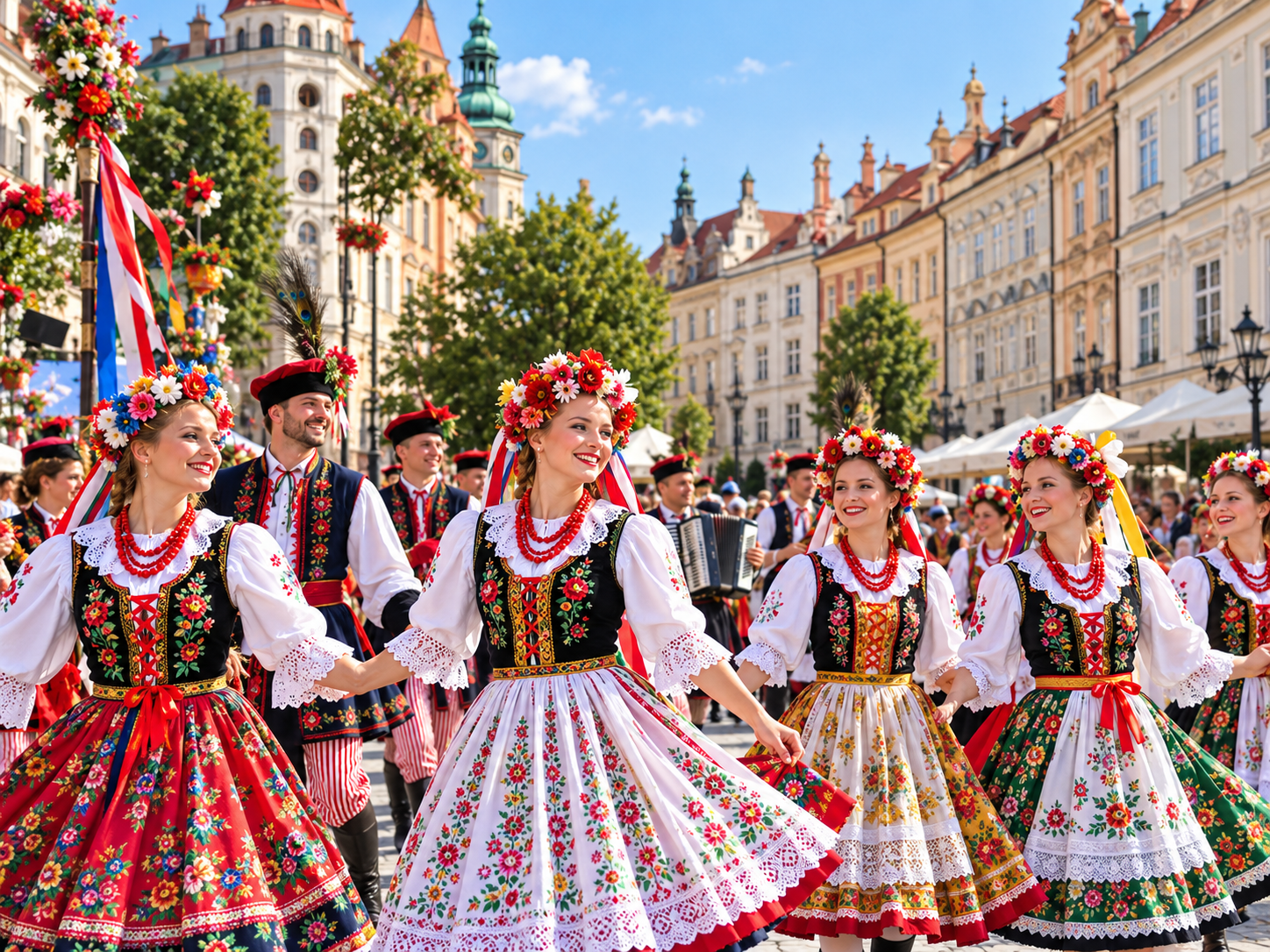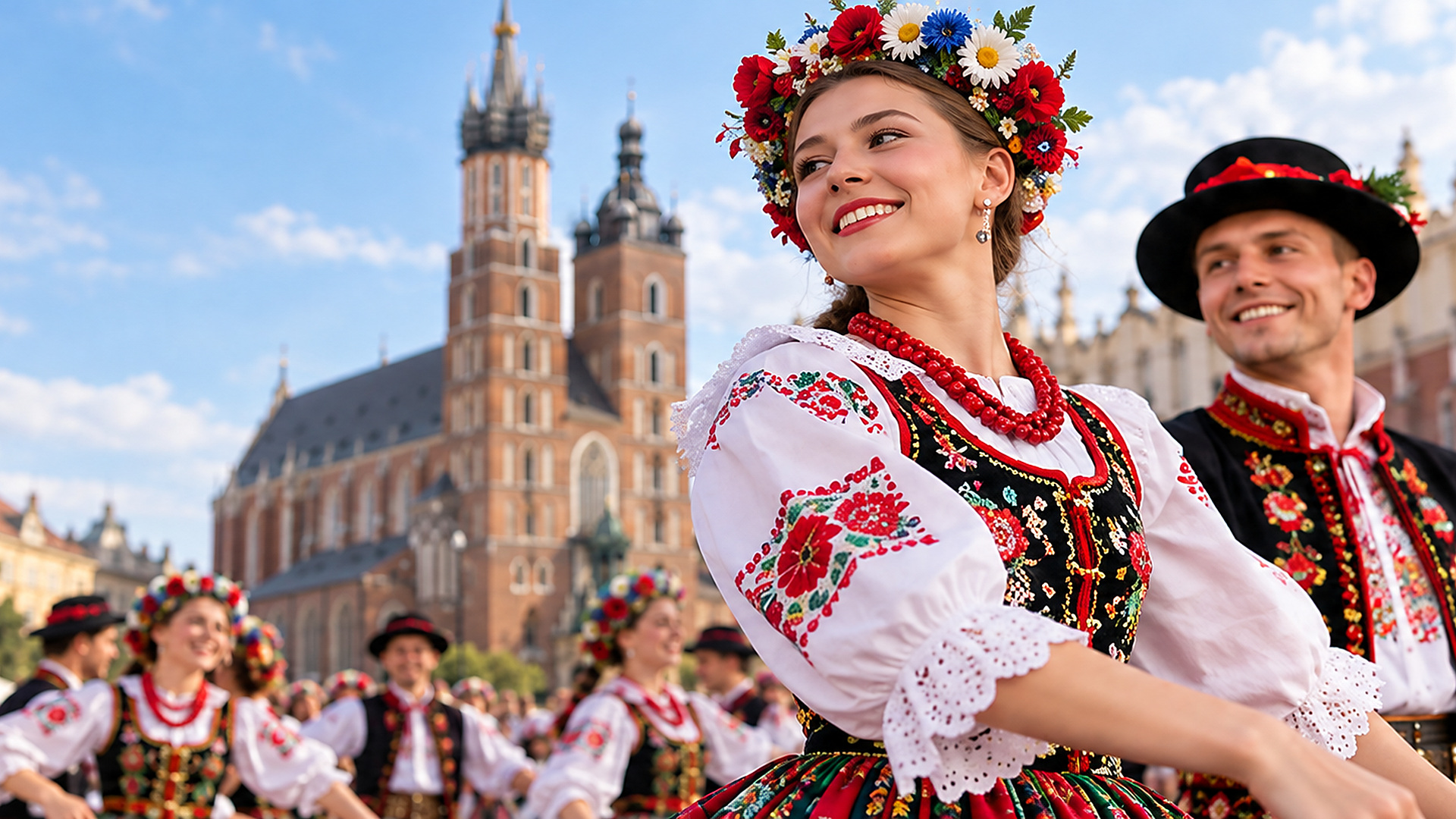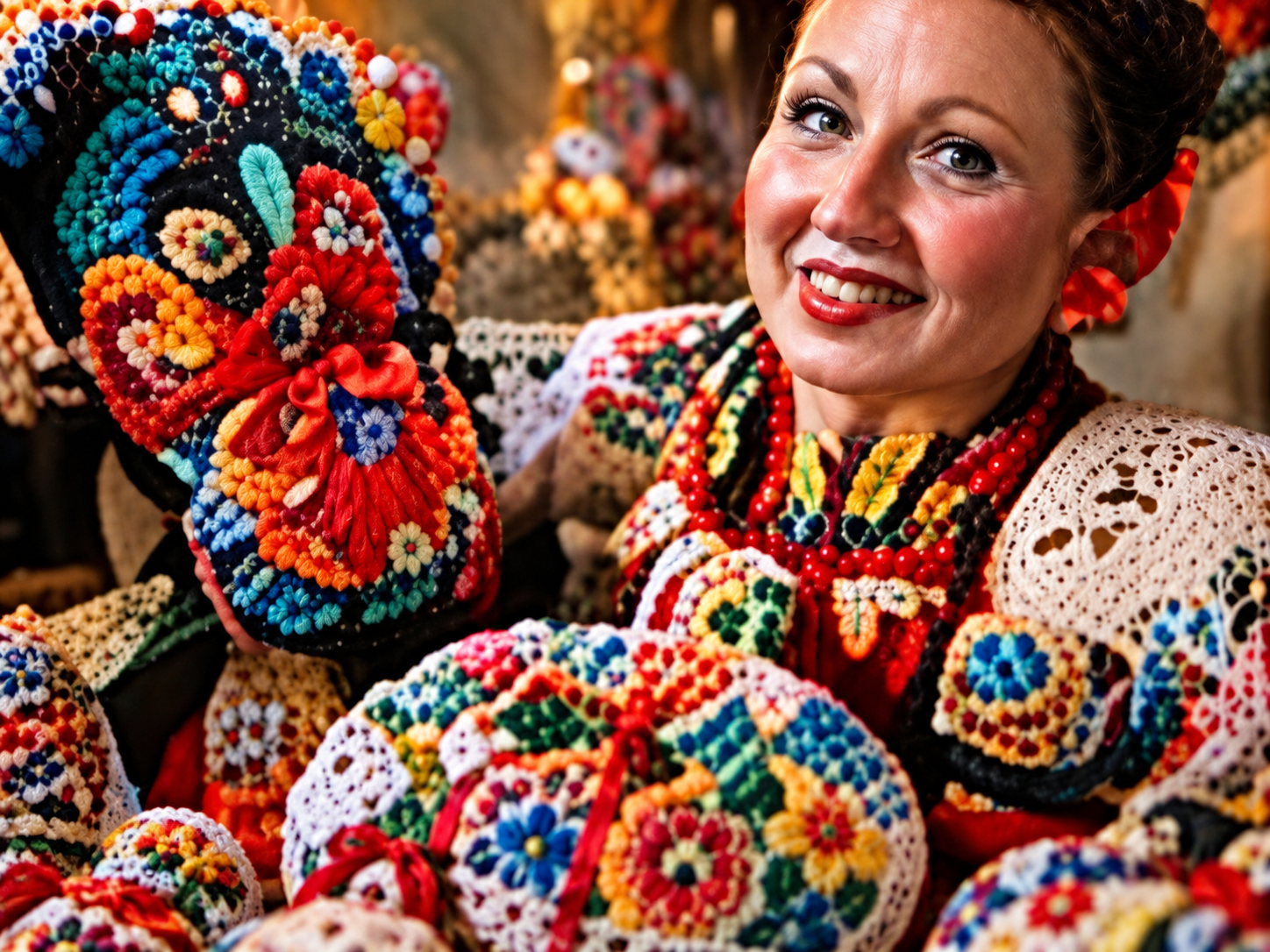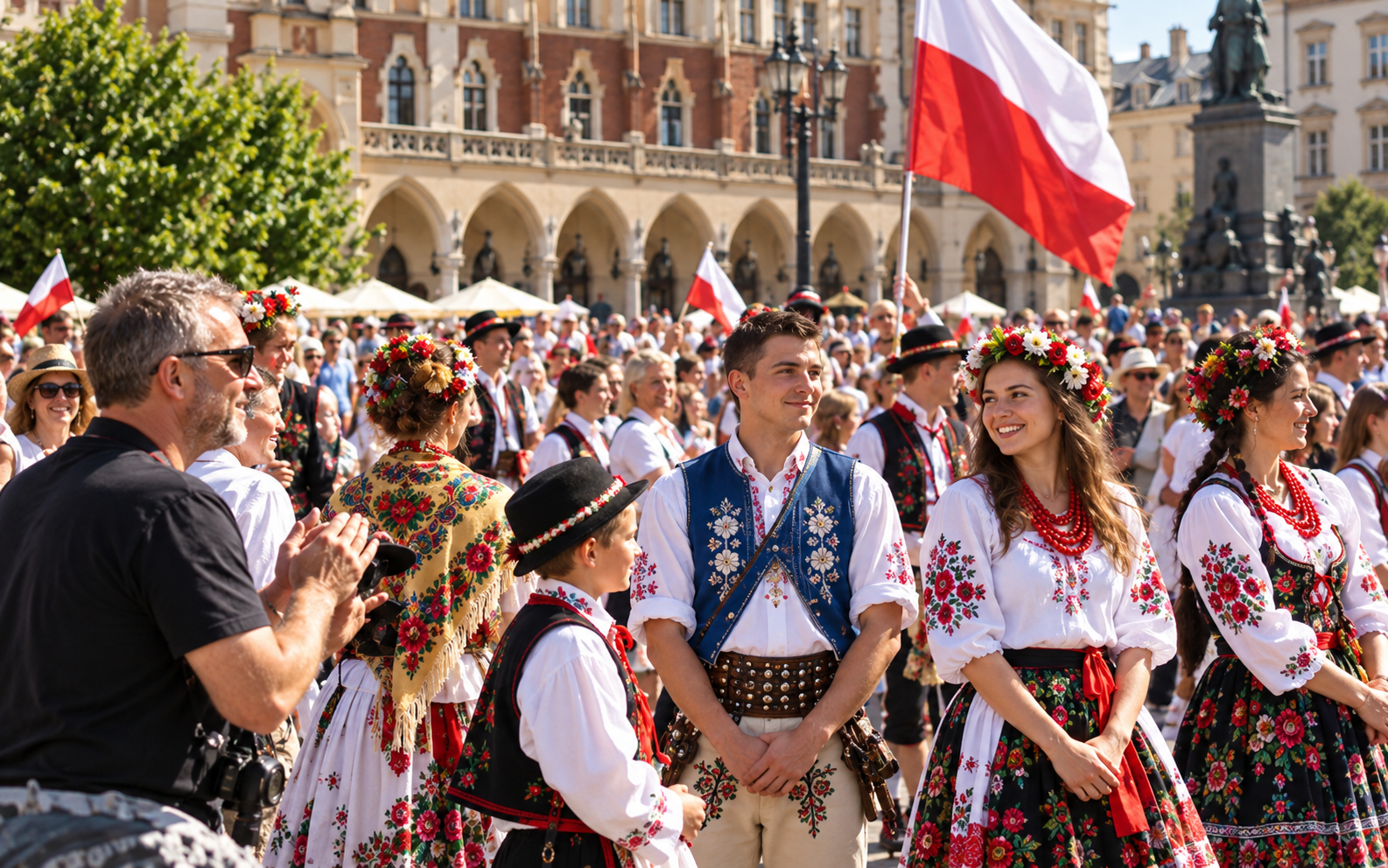
The Countries & Cultures section is where the festival can introduce every participating delegation with more depth—showing who they are, what traditions they bring and where audiences can meet them during the festival.
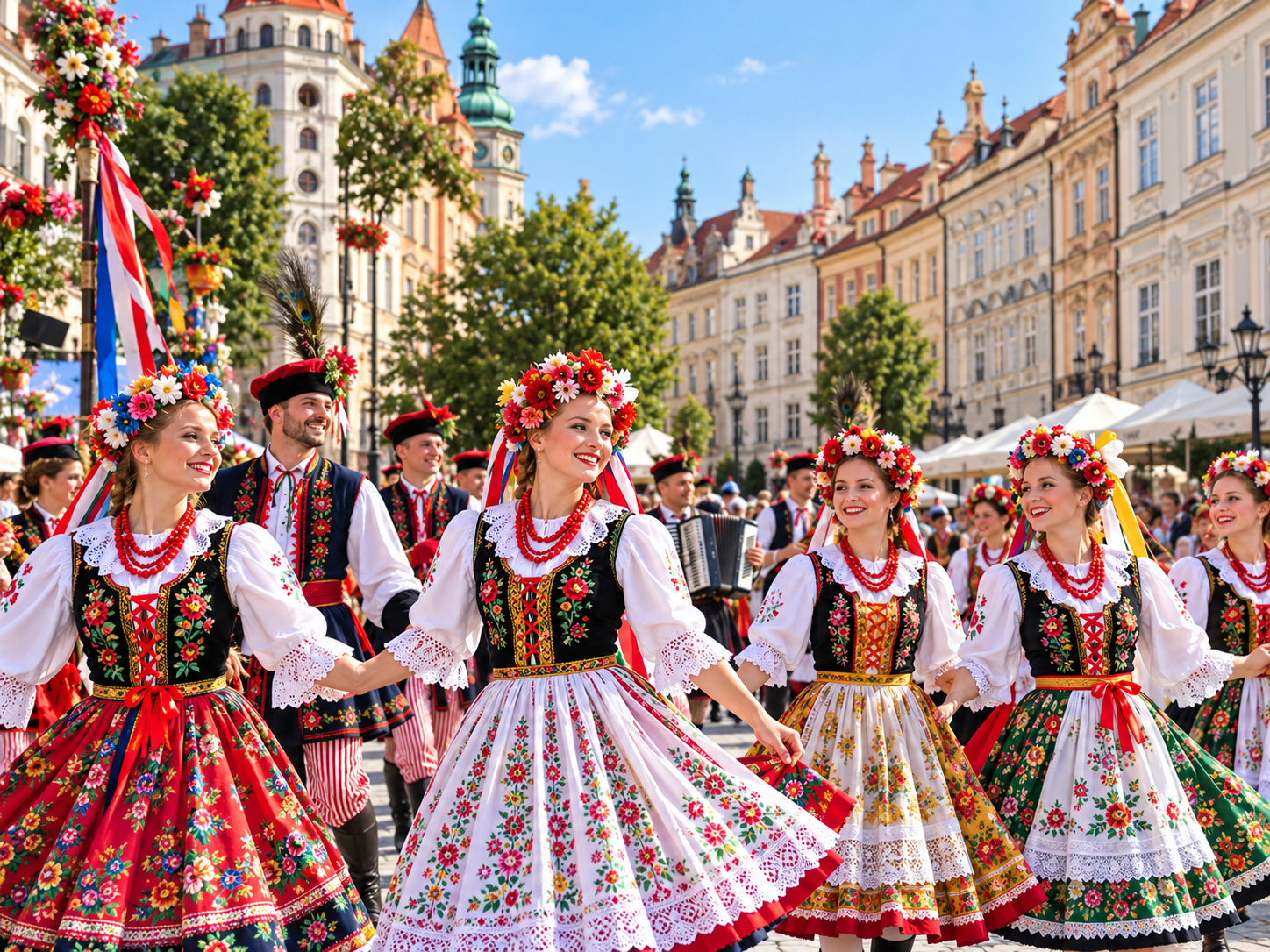
Country Profiles
Each participating country can have its own profile with photographs, cultural background, featured groups, costume information, music, dance, craft, food and links to related events. Profiles can be added or removed directly from WordPress.
Regional Identity Matters
A country may contain many regional traditions. Where possible, profiles should name the specific community, region or tradition represented rather than presenting culture as if it were identical across an entire nation.
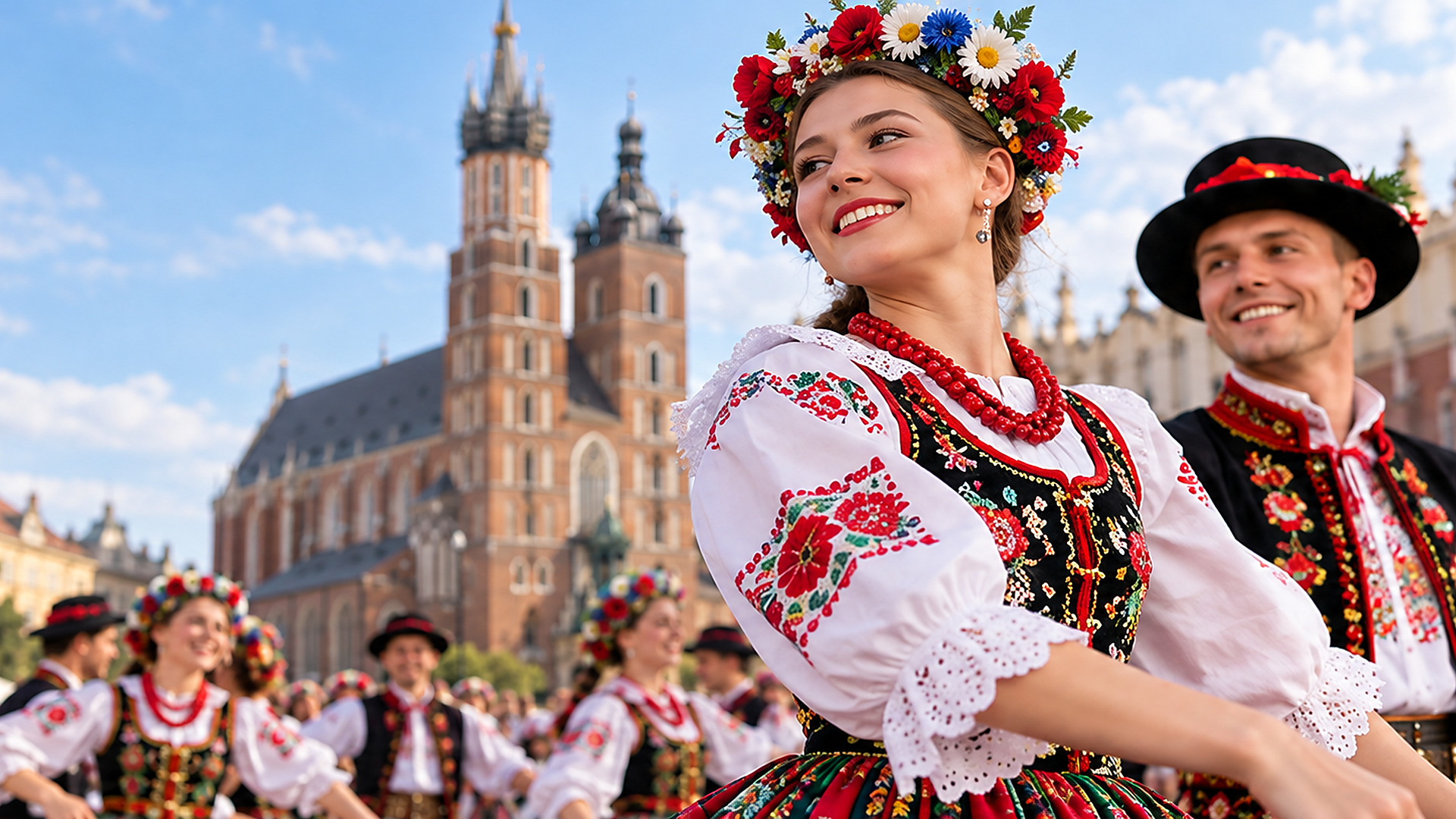
Costume, Music and Dance
Images are more meaningful when visitors understand what they are seeing. Short explanations can describe the purpose of a costume, the occasions on which a dance is performed or the role of an instrument in community life.
Food, Craft and Story
Culinary traditions, handmade objects and oral histories give visitors additional ways to connect with a culture. Cultural villages and workshops are ideal places for these experiences.
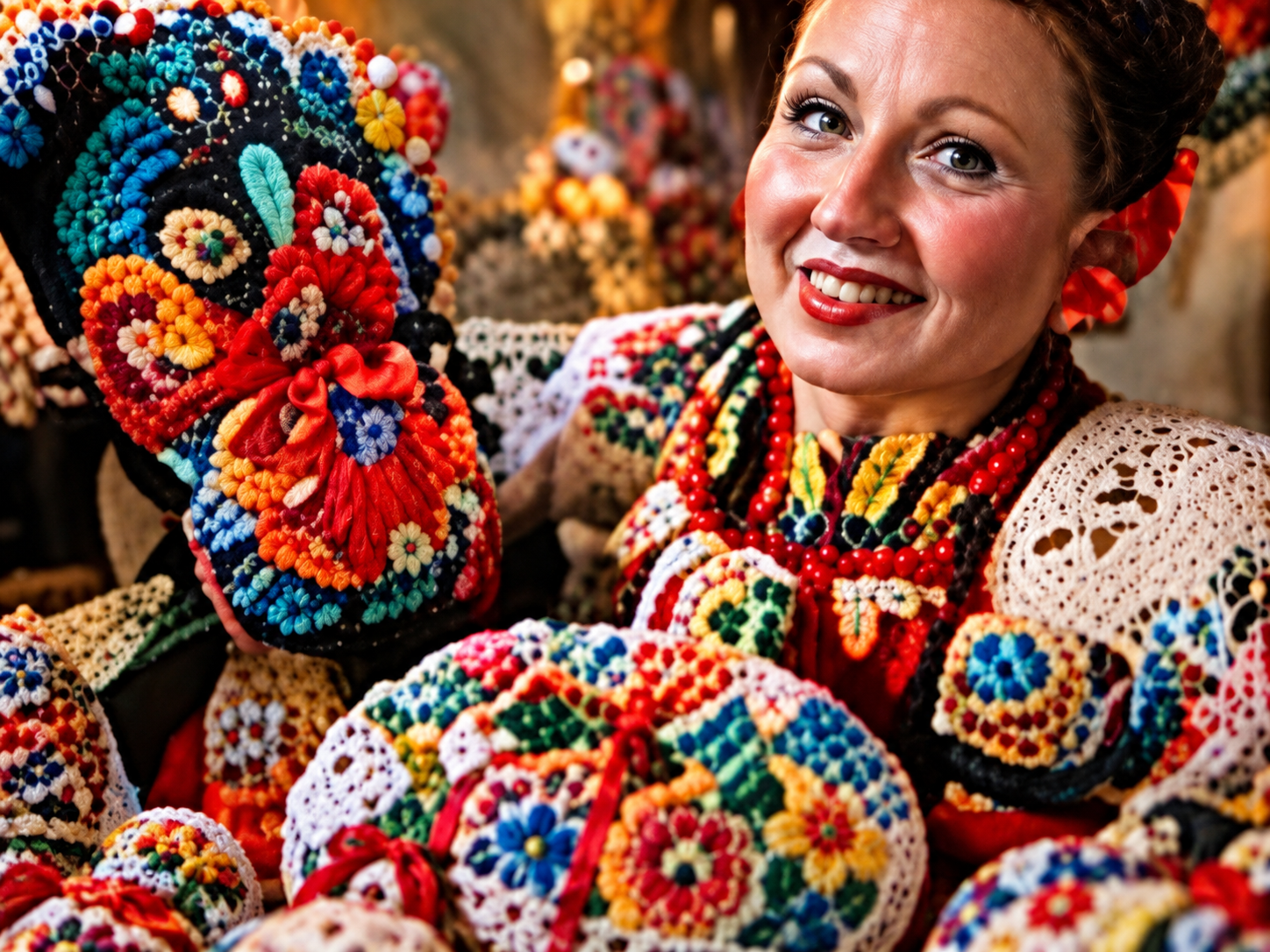
International Friendship
The festival is designed to encourage exchange between delegations as well as between performers and audiences. Shared rehearsals, workshops and collaborative events can create lasting relationships.
Explore Culture by Country and Region
Country pages can act as gateways into the festival programme. Visitors can discover which groups are attending, what traditions they present, where those traditions come from and when to see them during the event.
Where appropriate, profiles can also recognise regional or minority traditions within a country rather than presenting culture as one uniform national style.
Beyond Flags and Costumes
The festival aims to move beyond surface-level representation. Food, language, family customs, music, craft, celebration, migration and historical context can all help visitors understand why a tradition matters to the people who practise it.
That deeper approach makes cultural exchange more respectful and more interesting.
Poland as Host Country
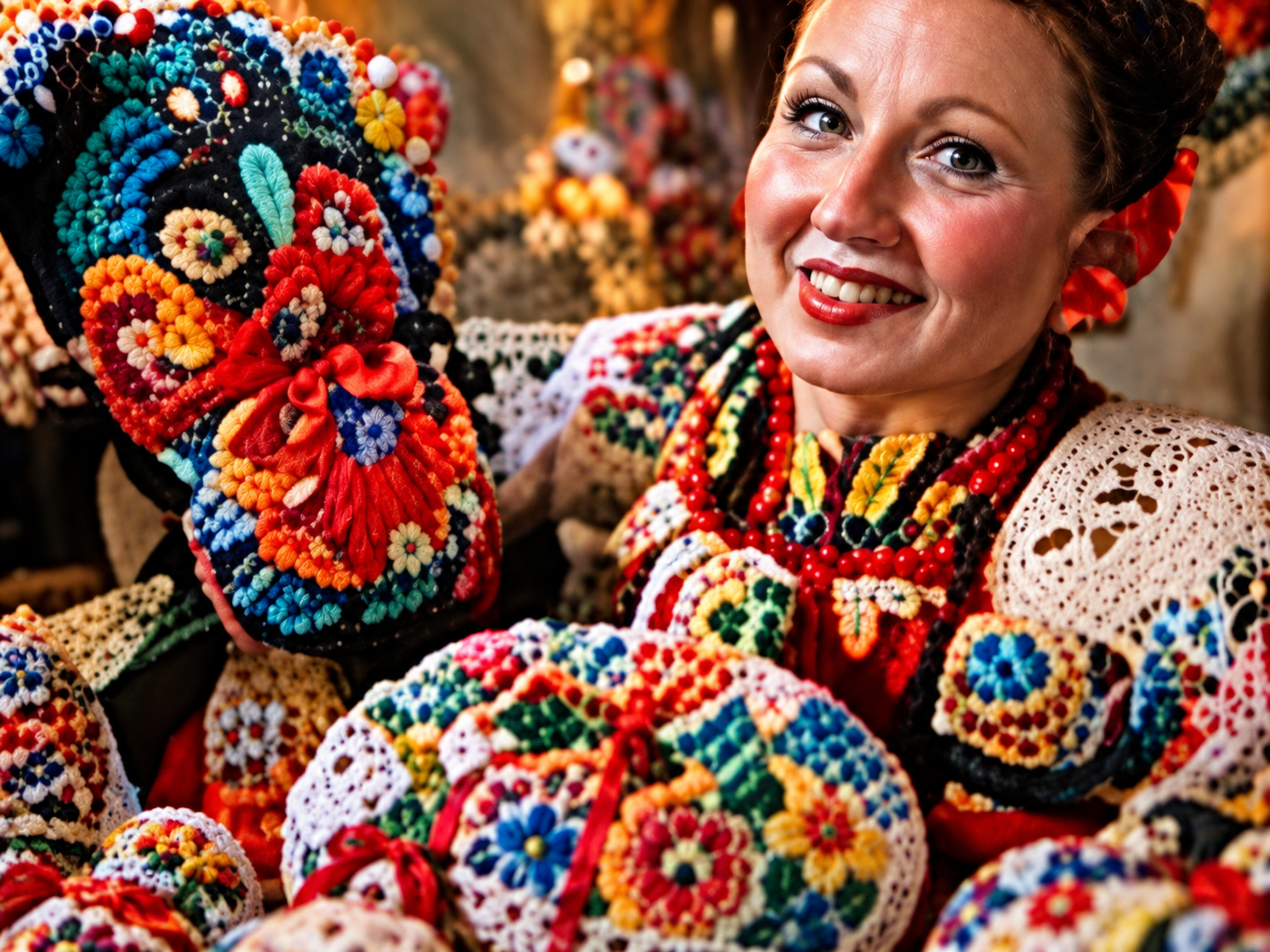
As host country, Poland can be represented through multiple regions and traditions, allowing international visitors to discover the diversity within Polish folklore as well as the contemporary city of Warsaw.